
Is Shockwave Therapy in Surrey Right for You? A Physio’s Guide
Updated: May 6
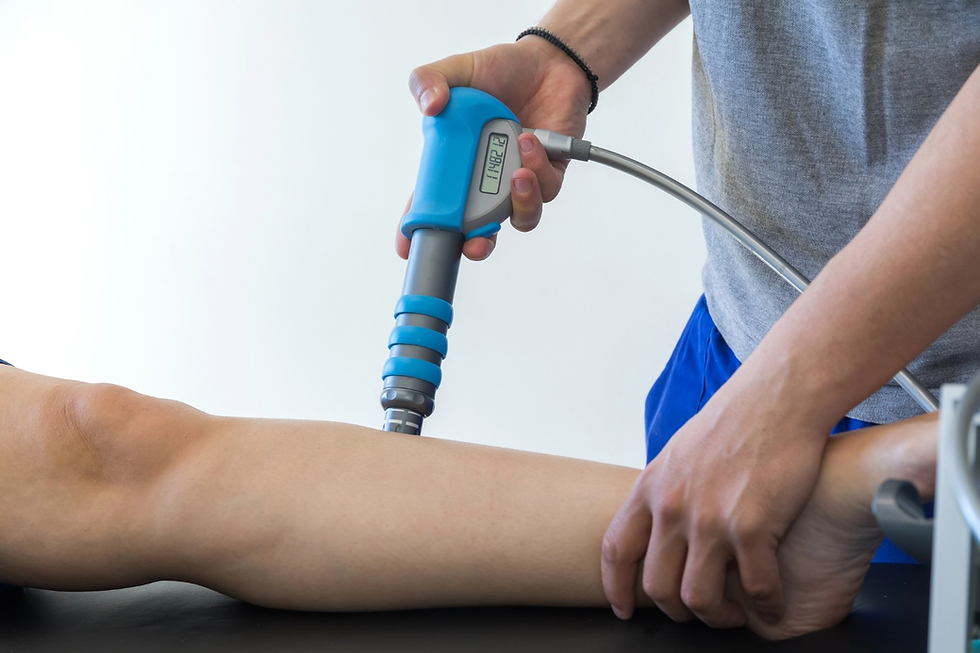
Living with ongoing pain can affect your work, mobility, and overall quality of life. For many Surrey residents, shockwave therapy has become an effective, non-invasive physiotherapy option for stubborn musculoskeletal conditions. But is it the right choice for you?
This guide explains how shockwave therapy in Surrey works, what conditions it treats, and when it may be recommended by a physiotherapist.
What Is Shockwave Therapy in Physiotherapy?
Shockwave therapy is an evidence-based treatment that uses high-energy acoustic waves to stimulate healing in injured tissues. These sound waves target the affected area and promote increased blood flow, tissue regeneration, and pain reduction.
Physiotherapists often recommend shockwave therapy when traditional treatments such as exercise therapy, stretching, or manual therapy have not produced lasting results.
How Does Shockwave Therapy Work?
Shockwave therapy works by triggering your body’s natural healing response.
Key physiological benefits include:
increased circulation to damaged tissues
breakdown of calcified deposits
reduced inflammation
stimulation of collagen production
The treatment is delivered through a handheld device and typically lasts 5 to 10 minutes per session. Most patients require multiple sessions for optimal results, depending on the condition and severity.
Conditions Commonly Treated With Shockwave Therapy in Surrey
Shockwave therapy is most effective for chronic and repetitive-strain injuries that are slow to heal.
Common conditions include:
plantar fasciitis
Achilles tendinopathy
tennis elbow and golfer’s elbow
shoulder calcific tendinitis
patellar tendon pain
chronic muscle tightness
Shockwave therapy is widely used across Newton, Guildford, and Surrey as part of comprehensive physiotherapy treatment plans.
Is Shockwave Therapy Right for You?
You may be a good candidate for shockwave therapy in Newton, Surrey, or Guildford if:
your pain has lasted longer than 3 months
you have not responded to rest or exercise-based rehab
you want to avoid injections or surgery
Your physiotherapist identifies tendon or soft-tissue involvement
Shockwave therapy is not typically recommended for acute injuries, fractures, or certain medical conditions. A full physiotherapy assessment is essential before beginning treatment.
What Does Shockwave Therapy Feel Like?
Patients often describe shockwave therapy as mildly uncomfortable but tolerable. The intensity can be adjusted based on sensitivity and progress over time.
What to expect:
mild soreness during or after treatment
temporary redness or swelling
gradual improvement over the following weeks
Physiotherapists often combine shockwave therapy with stretching, strengthening, and movement retraining for long-term results.
How Shockwave Therapy Fits Into Physiotherapy Care
Shockwave therapy is not a standalone solution. It works best when combined with:
corrective exercise programs
load management strategies
manual therapy
education on movement and posture
Physiotherapy ensures that pain relief is paired with functional improvement, helping reduce the risk of recurrence.
Why Surrey Residents Choose Shockwave Therapy
Surrey residents seek out shockwave therapy because it offers:
non-invasive treatment
no medication required
minimal downtime
evidence-based outcomes for chronic pain
When delivered by trained physiotherapists, shockwave therapy can accelerate recovery and restore mobility faster than passive treatments alone.
Book a Shockwave Therapy Assessment in Surrey
If persistent pain is limiting your daily activities, shockwave therapy in Surrey may be the solution you’ve been waiting for. A physiotherapy assessment will determine whether this treatment aligns with your condition and recovery goals.
Book your physiotherapy consultation today with Jeeva Physiotherapy and take the first step toward pain-free movement.


Comments